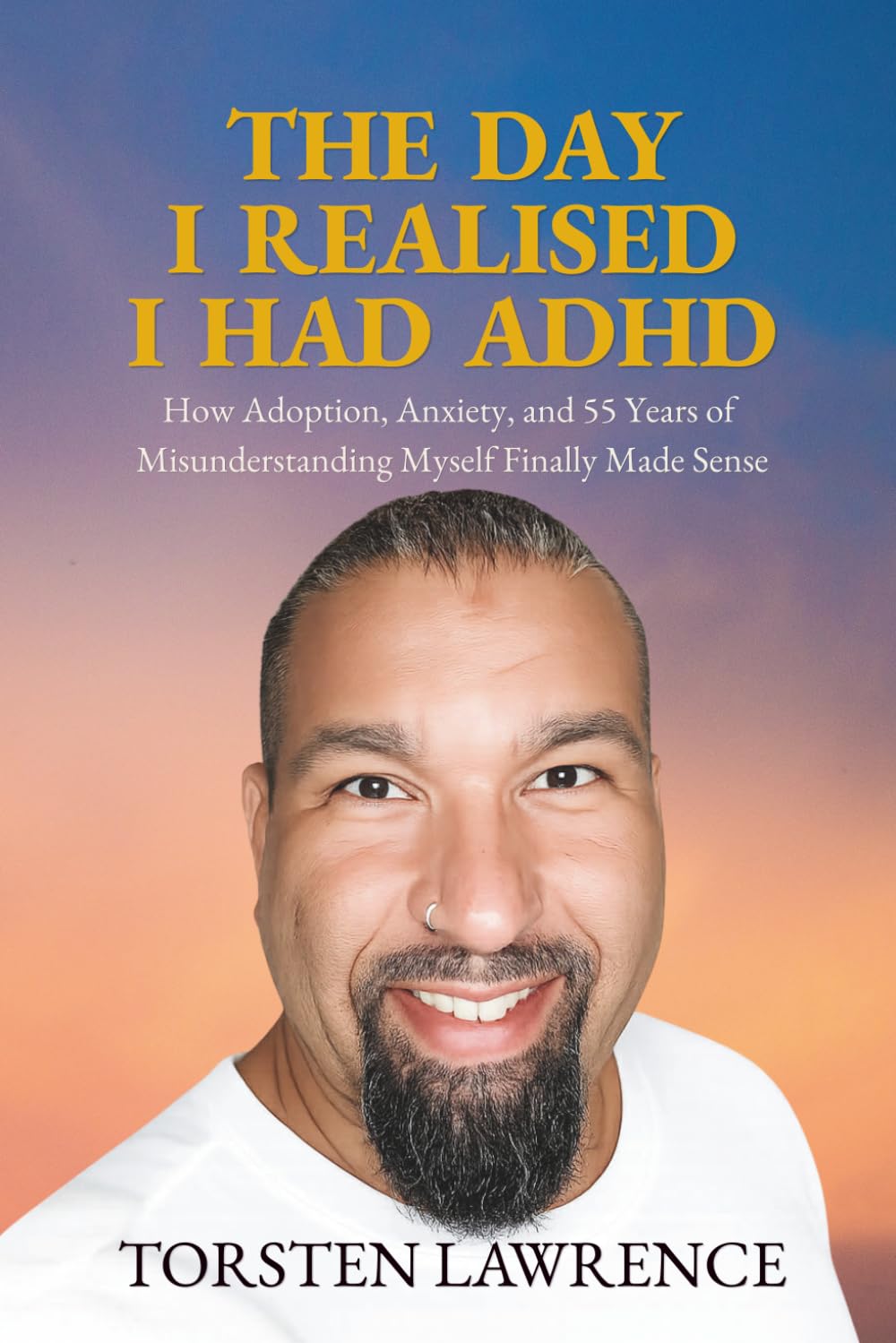
The short answer is yes. The longer answer is the one nobody tells you: ADHD does not arrive at fifty-five. It has been there your entire life. What arrives is the recognition — and with it, a disorienting mix of clarity and grief that can feel like the ground shifting beneath decades of carefully constructed normality.
I know this because it happened to me. At fifty-five, after a lifetime of anxiety, insomnia, restlessness, and the persistent feeling that I was performing a role everyone else seemed to inhabit naturally, the patterns finally clicked. Not through a formal assessment, but through reading — a single paragraph in someone else's account of ADHD that described my inner life more accurately than I had ever managed myself.
Why ADHD Hides Until Midlife
There is a persistent myth that ADHD is a childhood condition — hyperactive boys bouncing off walls, eventually outgrown. But research consistently shows that ADHD persists into adulthood in at least 60% of cases, and many adults were never identified as children in the first place, particularly women, people of colour, and anyone whose presentation was more inattentive than hyperactive.
For decades, high intelligence, rigid routines, supportive partners, or sheer willpower can compensate for the executive-function gaps that ADHD creates. You do not look like someone who is struggling, because you are spending three times the energy to produce the same output. The mask holds — until it does not.
Midlife is often when the mask slips. Children leave home and take the structure they provided with them. Careers reach a complexity that willpower alone cannot manage. Hormonal changes — particularly perimenopause and menopause — can amplify every ADHD symptom. And the cumulative exhaustion of decades of compensating finally catches up.
What ADHD Looks Like at 55
In midlife, ADHD rarely looks like the stereotype. It looks like the person who has seventeen browser tabs open and cannot start any of the tasks behind them. It looks like the executive who cancels dinner plans because the energy required to be social after a day of masking is simply not available. It looks like the parent who loves their children fiercely but cannot remember a single school event without three calendar reminders.
It looks like insomnia that no sleep hygiene can fix, because your brain refuses to power down. It looks like emotional reactions that seem disproportionate to the trigger — tears at a minor criticism, rage at a misplaced set of keys. It looks like a lifetime of starting things brilliantly and finishing them badly, or not at all.
And critically, in adopted adults, it looks like all of the above layered on top of attachment wounds, identity questions, and a nervous system that learned hypervigilance before it learned language. The ADHD and the adoption compound each other in ways that make both harder to see clearly.
The Compensation Tax
One of the cruellest aspects of late-identified ADHD is what I think of as the compensation tax. For every year you spent managing your symptoms without knowing they were symptoms, you paid a tax in exhaustion, anxiety, self-blame, and relationships that suffered because you were always running on empty.
By fifty-five, that tax has compounded. You are not just tired. You are tired of being tired. And you may have built an entire identity around being the person who copes, who manages, who holds everything together — which makes the idea that you might have a neurodevelopmental condition feel threatening rather than liberating.
This is why many adults resist the possibility even when the evidence is overwhelming. Accepting ADHD at fifty-five means accepting that the struggle was real — and that it did not have to be this hard.
You Do Not Need a Formal Diagnosis to Start Understanding
I have never been formally diagnosed. The waiting lists in many countries stretch years. Private assessments cost hundreds or thousands. And the diagnostic criteria were designed around children, not middle-aged adults with decades of sophisticated coping mechanisms.
What I have is fifty-five years of lived data, the willingness to look at it honestly, and the recognition that the patterns match. That has been enough to change how I work, how I manage my energy, and how I talk to myself when things go wrong.
A diagnosis can be powerful. But understanding can begin without one. If you are reading this and recognising yourself in these paragraphs, that recognition is not nothing. It is the beginning of something that may change the rest of your life — not by turning back the clock, but by finally explaining why it ran the way it did.
What Comes After Recognition
The period after recognising ADHD in midlife is not a smooth upward curve. It is messy. There is relief, then grief, then anger, then a strange kind of tenderness toward the version of yourself who tried so hard for so long without knowing why everything felt harder than it looked.
But there is also possibility. Because once you understand the operating system you have been running, you can stop trying to force it to behave like a different one. You can design a life that works with your brain instead of against it. And you can extend to yourself the compassion that, until now, you have only known how to give to other people.
You can have ADHD at fifty-five. You can have had it at five, at fifteen, at thirty-five. The brain does not change. What changes is your understanding of it. And that understanding, late as it may feel, is still early enough to matter.