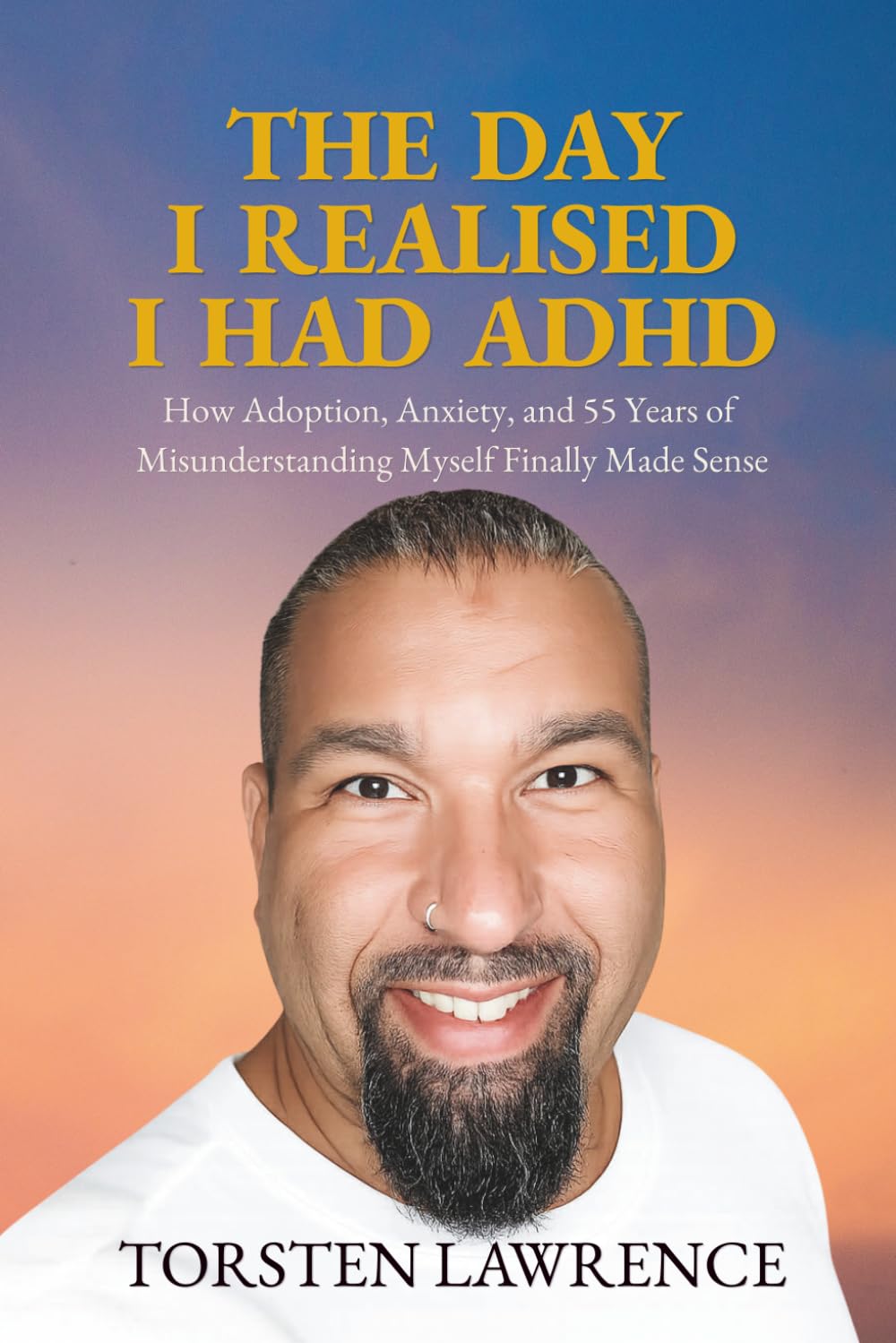
There is a very specific kind of silence that follows a late ADHD diagnosis. It is not empty. It is crowded with every memory you are suddenly seeing in a new light — every missed deadline, every relationship that fell apart for reasons you could never quite name, every time someone told you that you had so much potential if you would just apply yourself.
For me, that moment came at 55. And what nobody warned me about was that the relief and the grief would arrive at exactly the same time, holding hands.
The Liberation
First, there is the liberation. The diagnosis is a key that unlocks a door you did not even know you had been standing in front of your whole life. Suddenly there is a reason. You are not lazy. You are not broken. You are not the collection of moral failings that a lifetime of well-meaning people quietly implied you were.
Your brain is simply wired differently. And once you know that, you can finally start working with it instead of against it. That is not a small thing. For many of us, it is the first time we have ever felt genuinely understood — even if the only person doing the understanding, at first, is ourselves.
The Grief
But underneath the relief, something heavier stirs. Because if there was always a reason, then all those years of blaming yourself were built on a lie. And you cannot get those years back.
You grieve the careers that stalled. The friendships that quietly faded. The version of yourself who might have existed if someone had noticed sooner. This grief is real and it deserves to be felt, not rushed past on the way to gratitude.
Holding Both Truths
Here is what I have learned: you do not have to choose between the grief and the liberation. Healing is not about picking the positive feeling and suppressing the painful one. It is about building a self that is large enough to hold both.
You can mourn the decades and celebrate the clarity. You can be angry at the missed diagnoses and grateful for the one you finally got. Both are true. Both belong to you now.
The late diagnosis is not the end of your story. It is the first chapter you get to write knowing who the main character actually is.